
Beneficial Insects
Predators, parasitoids and pollinators that work in your favour.
8 entries
 Beneficial Insects
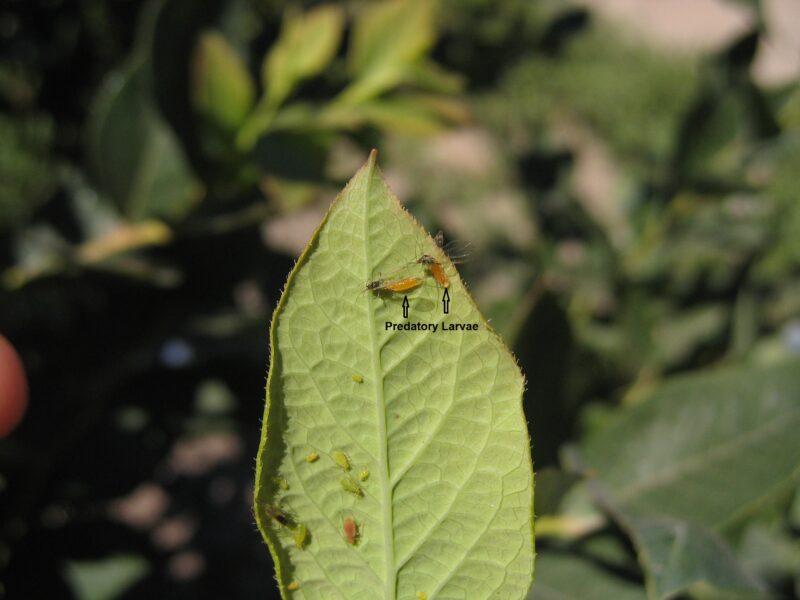
Aphid Midges
Aphidoletes aphidimyza
Adults are delicate flies, 2-3 mm in length. They are nocturnal and rarely seen. They feed on aphid honeydew and lay their eggs near aphid colonies. Larvae are…
Identify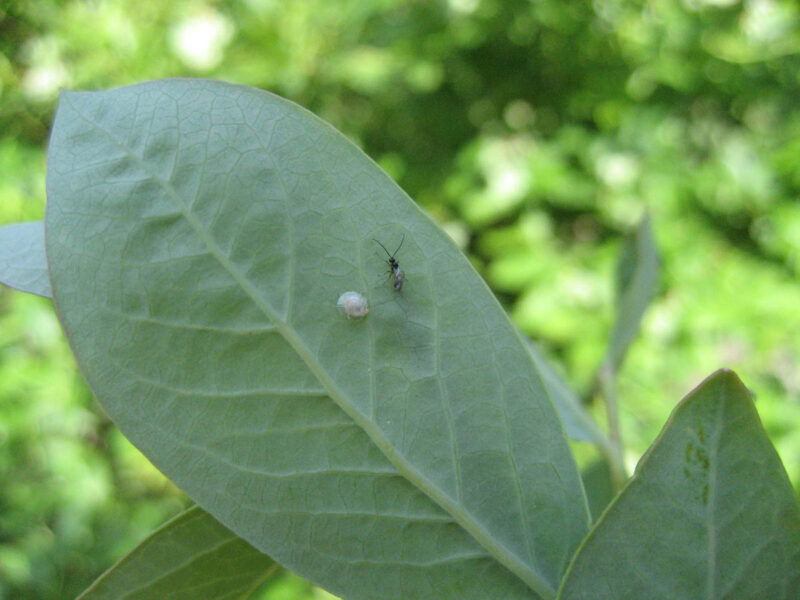 Beneficial Insects
Aphid Parasitoids
Aphidius spp. and Praon spp.
Adults are black, 3-8 mm in length, stout-bodied wasps with long antennae. They lay individual eggs within aphids. Parasitized aphids are referred to as ’mummies’ and appear white…
Identify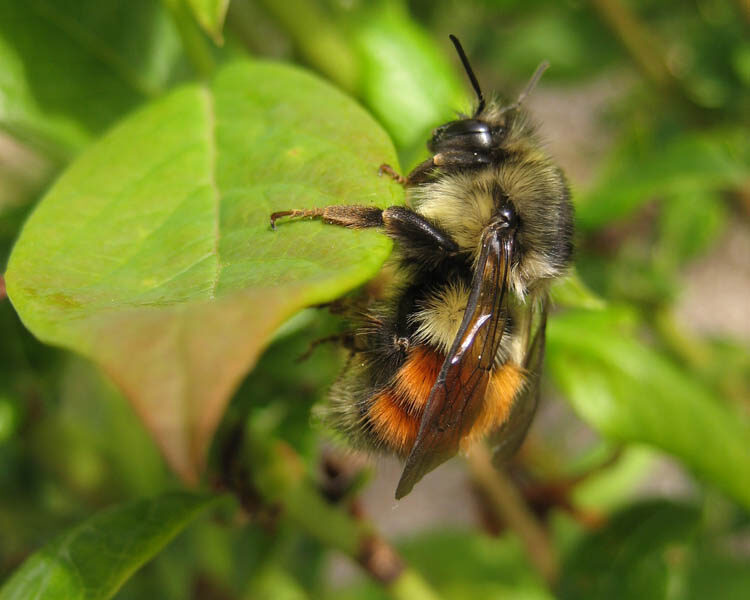 Beneficial Insects
Bumble Bees, Apidae
Bombus spp.
Bumble bees are stout- bodied, hairy, and black with yellow or orange markings. They are larger and rounder than honey bees. They build their nests in the ground,…
Identify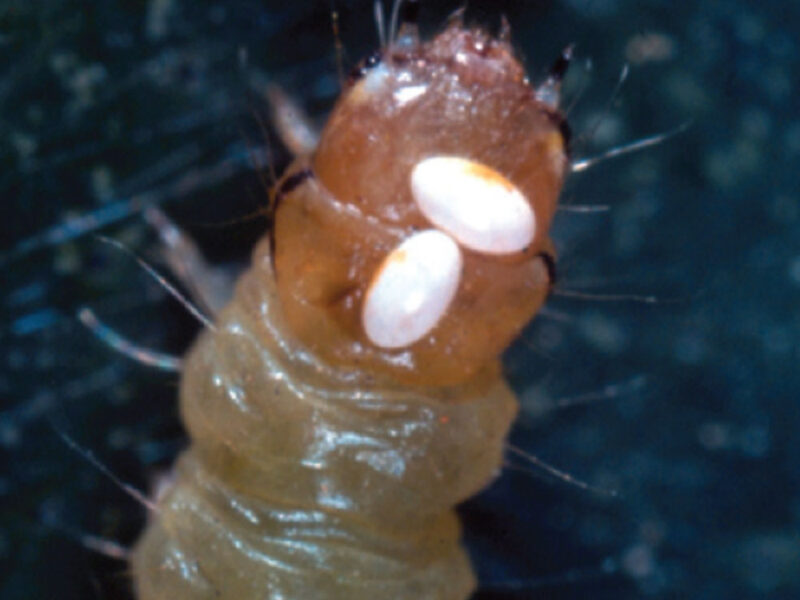 Beneficial Insects
Caterpillar Parasitoids
Adults are brown, black or red, slender bodied wasps, 5-35 mm in length. Females have a long, needle-like ovipositor protruding from the end of their abdomen which is…
Identify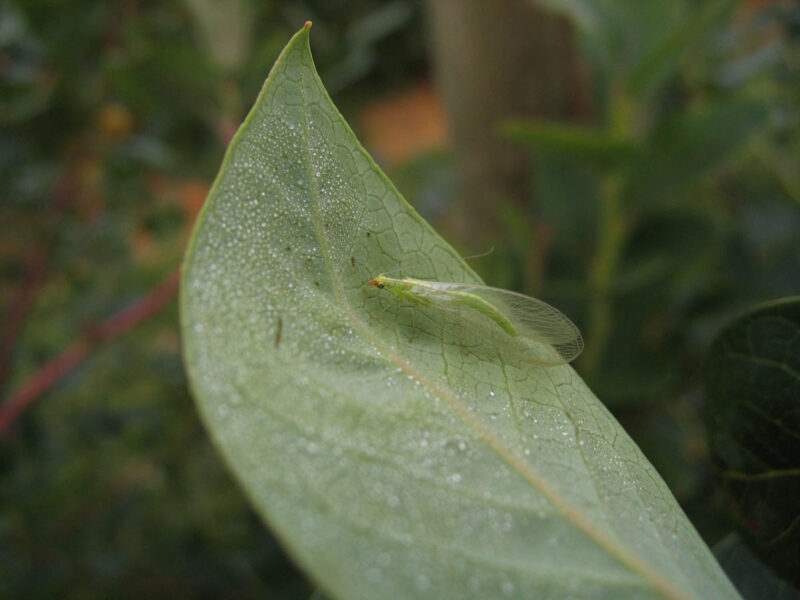 Beneficial Insects
Green and Brown Lacewings
Chrysopidae and Hemerobiidae
Adults are 10-20 mm long, pale green or brown, with a slender body and lacy, transparent wings. Eggs are pale green or white, 1 mm long and laid…
Identify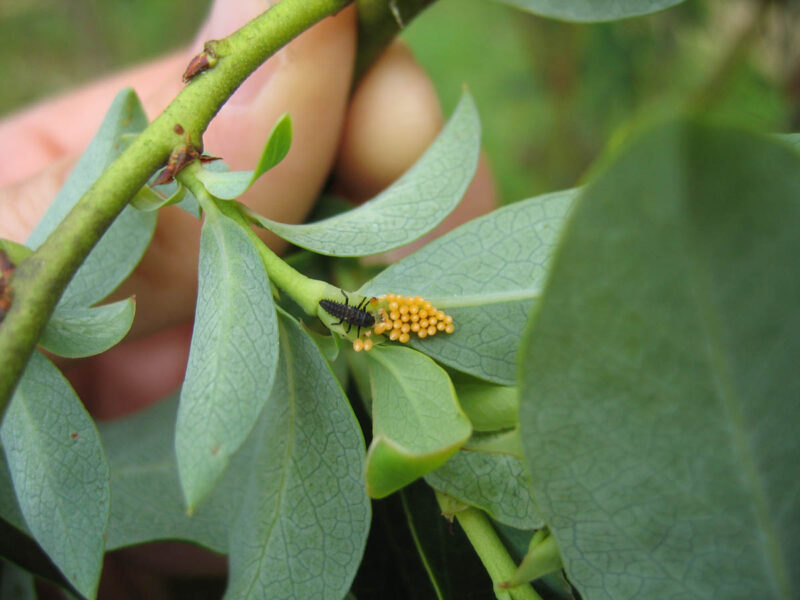 Beneficial Insects
Ladybird Beetles
Coccinellidae
Adults are 6-10 mm long, oval, orange or red with a variable number of black spots on their back. Eggs are 1-2 mm high, bright orange, oval shaped,…
Identify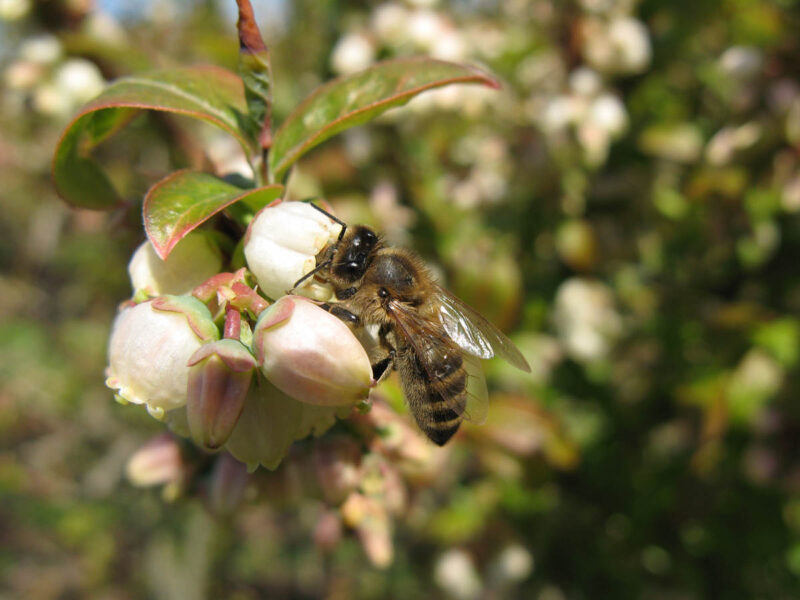 Beneficial Insects
Mason Bees, Megachilidae
Osmia spp.
Mason bees are black or blue and hairy. Adults are 12-14 mm long and resemble large flies. Adults are solitary bees which emerge in April and feed on…
Identify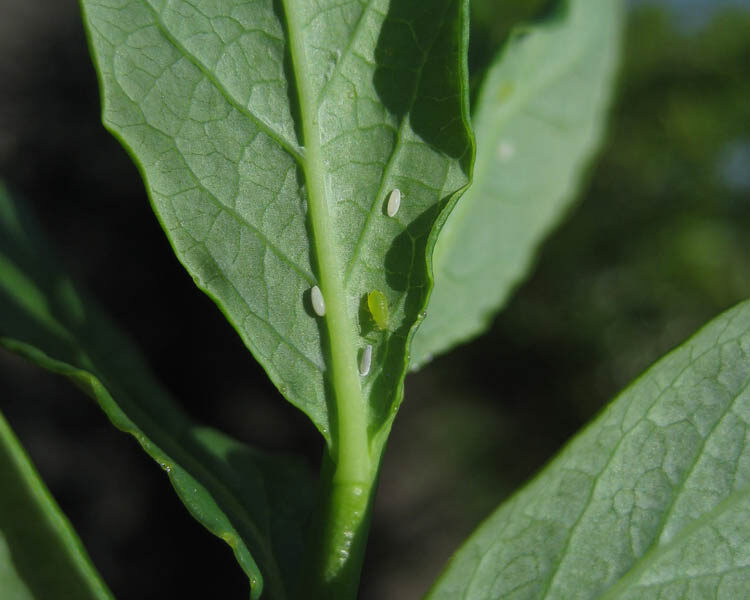 Beneficial Insects
Syrphid Flies
Syrphidae
Adult flies are 6-13 mm long, have yellow and black abdominal stripes and resemble honeybees, but are smaller and are not hairy. They can hover when they fly.…
IdentifyNothing in this section matches that. Try the full guide search instead.